Why making spaces matters: You don’t just see a space. You feel it.
The moment you walk into a room, before you’ve registered a single object in it, your body has already made a decision. Your shoulders drop, or they tense. Your breathing slows, or it quickens. You want to stay, or you want to leave.
That reaction happens in seconds, long before your conscious mind catches up and starts cataloguing furniture, finishes and floor plans. It’s the quiet power designers hold: not the power to arrange objects, but the power to shape how someone feels, and by extension, how they live, work, think and connect. It’s also why interior design is so much more than a career choice. Done well, it’s an act of care for other people.
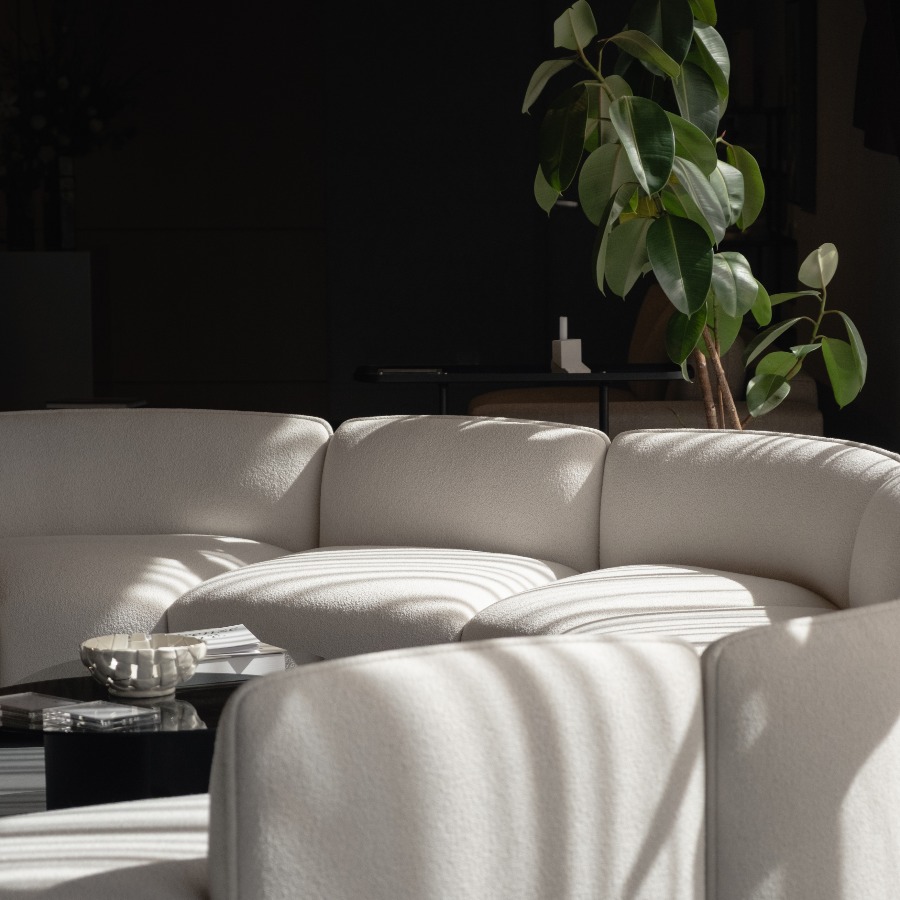
The room you’re in right now is doing more than you think
Here’s a number worth sitting with: Australians spend up to 90% of their time indoors, according to research out of QUT. That’s not a niche statistic. It’s a description of where a human life actually happens. Not on beaches or mountaintops, but in bedrooms, kitchens, offices, waiting rooms and stairwells.
Which means the person who designs these spaces isn’t decorating the background of your life. They’re designing the foreground of nearly all of it: every mood you arrive at, every conversation you have, every ounce of focus or fatigue you feel.
A well-designed space can lift a mood before a single word is spoken. A living room with the right proportions, the right light and the right materials can make a family want to gather in it, instead of retreating to separate rooms. A restaurant with warm, layered lighting can turn a quick dinner into an evening nobody wants to end. A waiting room that feels calm rather than clinical can lower a patient’s anxiety before they’ve even seen a doctor.
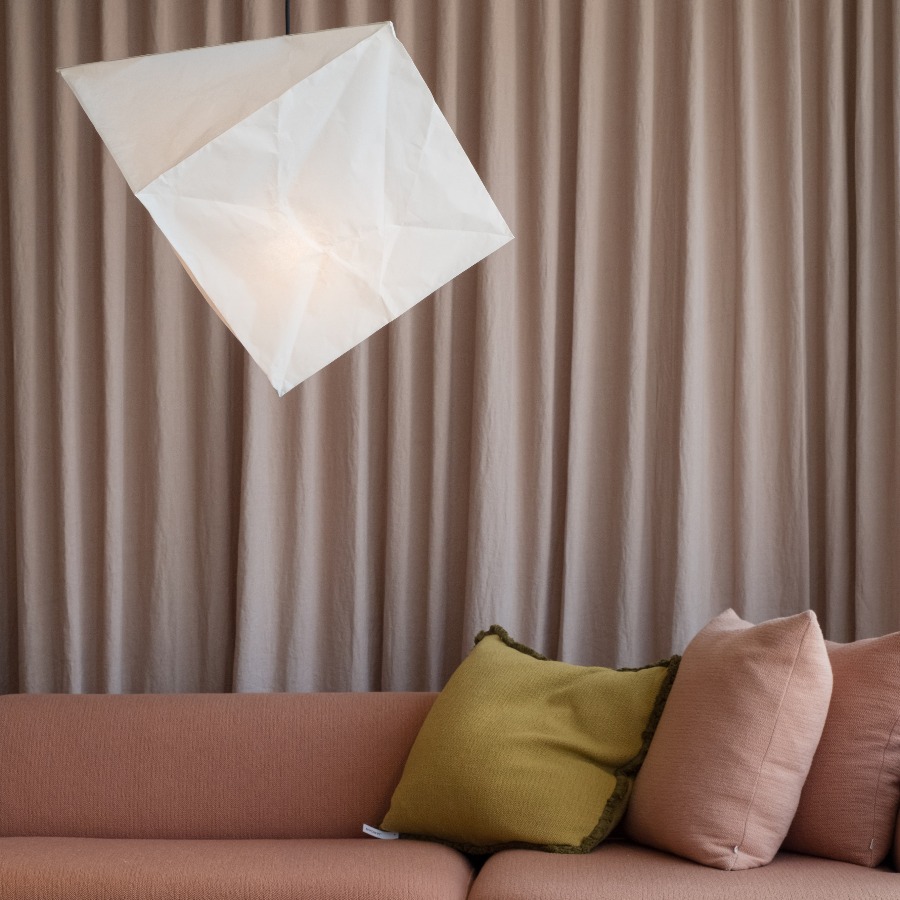
Colour doesn’t decorate a space. It defines it.
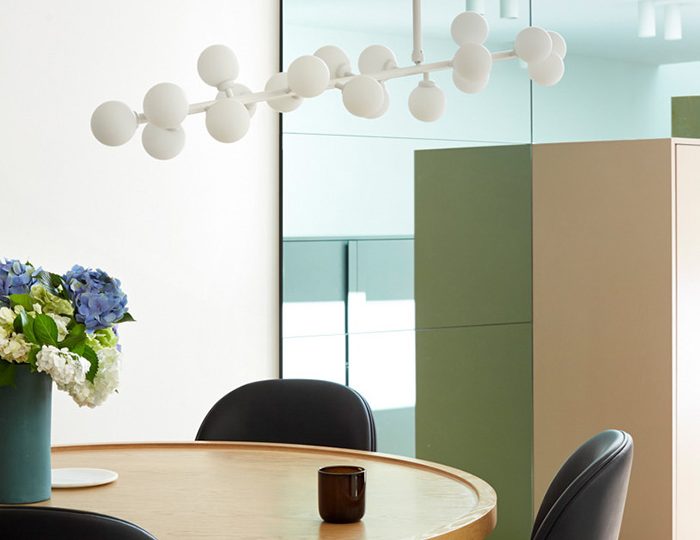
Colour isn’t a finishing touch. It’s a psychological lever, able to make a small room feel expansive or a vast room feel intimate. Warm, saturated tones spark appetite and conversation in restaurants. Cool, muted palettes calm the nervous system in healthcare spaces. Energising brights lift motivation in gyms and studios. Dark walls pull a room in, while pale tones let it breathe.
Colour choice is never really about trend or taste alone. It’s about intention: what do you want someone to feel when they walk in? A good designer starts with the feeling and lets the palette follow.
The sense nobody designs for, until they do
Ask someone what they remember about a space and they’ll usually describe what it looked like. But ask them to recall a place they truly loved (a grandparent’s kitchen, a childhood holiday house) and smell is often the first thing that surfaces. Fresh bread. Old timber. Salt air through an open window.
Smell is invisible, which is exactly why it’s so easy to overlook. But if you’re designing a space you want people to remember, it’s one of the most powerful tools you have.
It’s not just anecdotal. Singapore Airlines built its entire cabin experience around this idea, as reported by APEX. Since the early 1990s it has used a custom fragrance woven into the cabin air, the hot towels and even the crew’s perfume. Nothing about the seats changed, but the airline built one of the strongest loyalty followings in aviation. It’s proof that a space’s most powerful design element is sometimes the one you can’t see at all.
Touch is the sense you’re never without
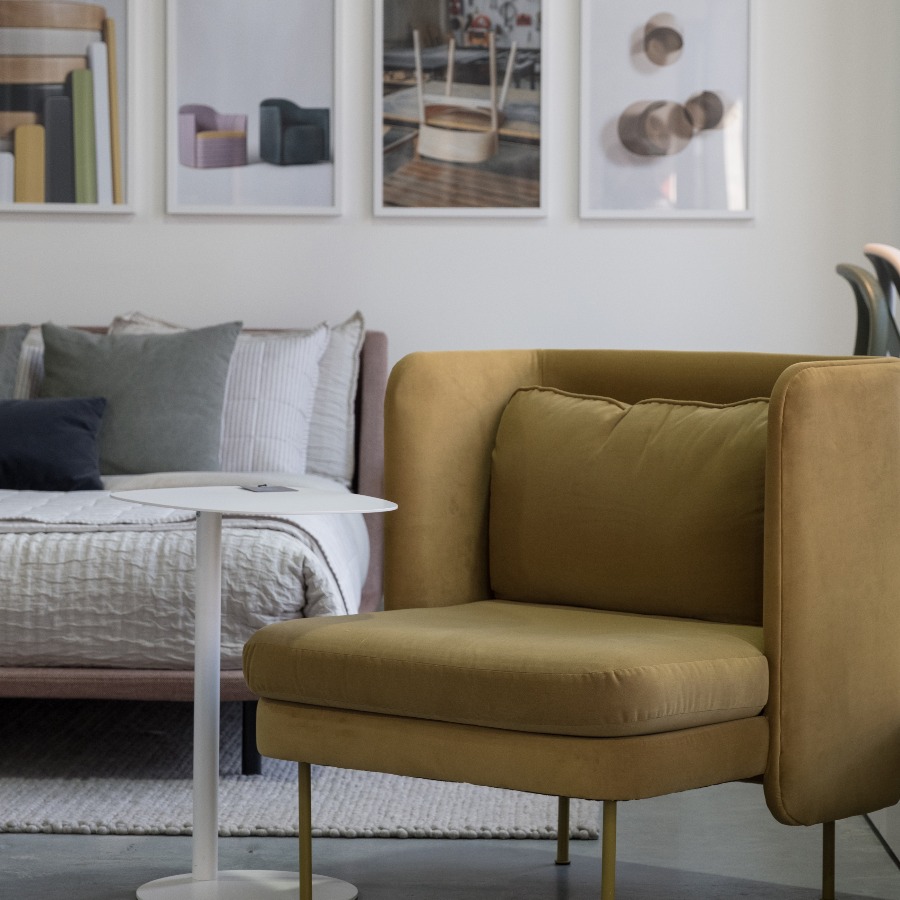
Scent surprises us. Touch is more constant. It’s happening every second a hand rests on a bannister, a body sinks into a sofa, bare feet meet a floor. London designer Ilse Crawford, founder of Studioilse, has built an entire practice around that idea, prioritising what she calls “visceral materiality”. She uses honest, natural textures like wood, stone, leather and wool that engage the body before the eye. It’s the thinking behind the Ett Hem hotel she created in Stockholm, a hospitality space designed to feel like a cherished home. Her rooms are designed to be experienced, not just admired with your eyes.

The ripple effect of good design
The impact of a well-designed space is real. A home that feels calm changes how a family speaks to each other in the evening. An office that feels open and human changes how freely people share ideas. A retail space that feels welcoming changes how long someone stays, and how much they spend.
It’s a theme the podcast Homing In explores beautifully. Host Matt Gibberd sits inside the homes of writers, artists and thinkers to unpack how the spaces we live in shape our emotions, our creativity and our sense of who we are. Episode after episode, the same idea surfaces: a home isn’t a backdrop to a life. It’s an active participant in it.
Design, done well, is quietly compounding. It shapes daily rituals, relationships, productivity and mental health, not through grand gestures, but through the thousand small sensory decisions most people will never consciously notice, yet will feel every single day.
A profession worth admiring
Put those pieces together and interior design stops looking like a job about cushions and colour swatches. It starts looking like what it actually is: a genuine responsibility to the people who will live, work, heal and gather inside the spaces you shape. Every room a designer creates goes on to influence someone’s mood. Someone’s relationships. Someone’s sense of calm. Long after the designer has moved on to the next project.
That’s a rare kind of work: equal parts craft and care, discipline and joy. It asks you to understand light, materials, psychology and people, and then to use all of it in service of something as simple and as profound as how someone feels the moment they walk through a door.
Every space you shape, shapes someone. That’s the responsibility. It’s also the absolute pleasure of it.
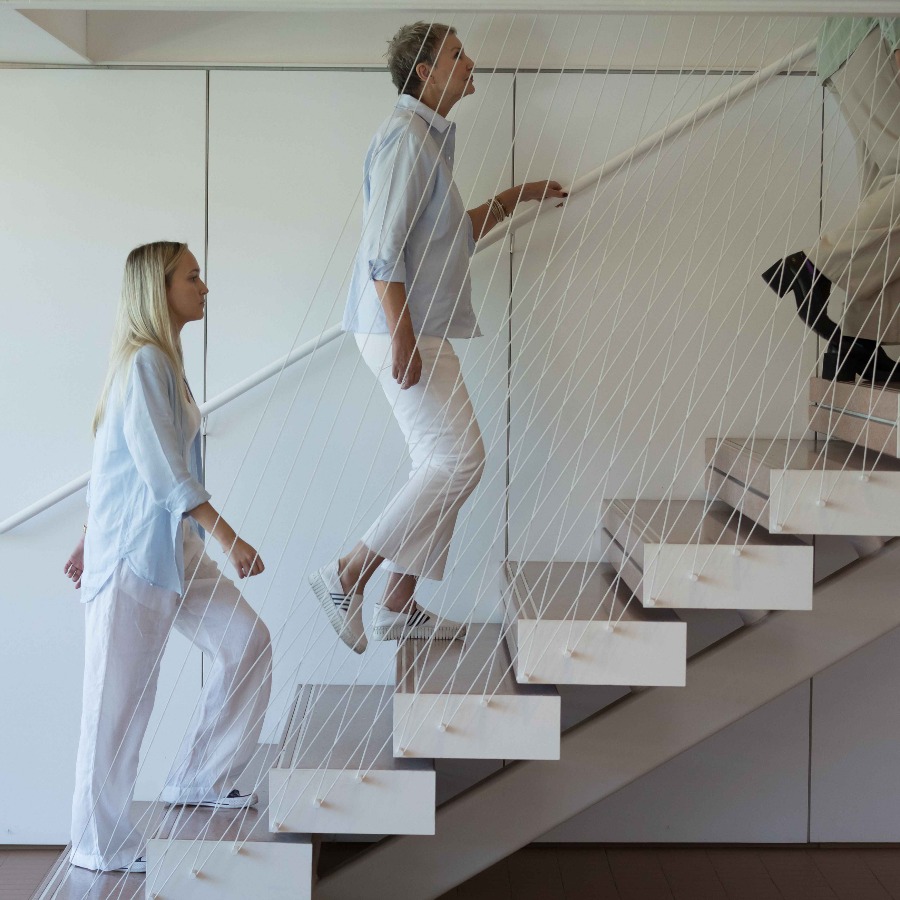
Some rooms make you want to leave. Some make you want to stay.
That’s not an accident. It’s design. Come learn how to shape the feeling, not just the floor plan. Step into our studios for a hands-on taste of our craft.
Sydney Design School Open Day
Saturday 19 September 2026, 9.30am to 12pm
Ground Floor, 65 Berry St, North Sydney
Photography by: Joshua Grace at Saturday InDesign and Design By Them
You may also be interested to read:
Thinking About Studying Interior Design? Start with Open Day
Pathway to an interior architecture degree… without an ATAR!